Phone Book Embroidery Design Review
As an embroidery designer and product reviewer, I’ve evaluated countless machine embroidery designs. One that stands out for its clarity and versatility is the Phone Book icon. This design isn’t just a visual element—it’s a functional tool that can elevate a wide range of projects. Let’s dive into how it performs in real-world use and what makes it a valuable addition to your design library.
First Impressions: A Clean, Professional Look
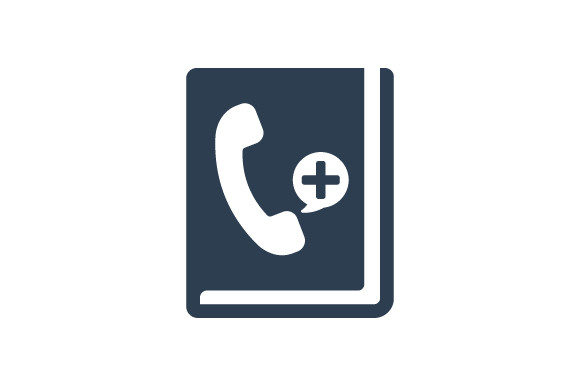
The Phone Book design immediately catches the eye with its sharp lines and balanced composition. The magnifying glass and search icon are rendered with precision, making it ideal for projects that require a modern, professional aesthetic. Its minimalist style allows it to blend seamlessly into various themes—whether you’re working on a tech-themed tote bag or a corporate promotional item.
The layout is straightforward, with enough detail to be recognizable without being overly complex. This makes it especially useful for smaller hoop sizes, where intricate details can sometimes get lost. The design feels well-suited for both digital and physical applications, from printable mockups to actual embroidered products.
Real-World Use Cases: Where It Shines
Imagine you're creating a custom embroidered tote bag for a local bookstore. The Phone Book design would be a perfect fit—its clean lines and subtle iconography make it easy to recognize while maintaining a polished look. It also works well on sweatshirts, baby onesies, and even aprons, where simplicity and clarity are key.
For small business owners and Etsy sellers, this design offers a versatile option that can be adapted to multiple products. Whether you're designing a personalized gift or a boutique item, the Phone Book adds a touch of sophistication without overwhelming the overall design.
It also excels in commercial embroidery projects, where consistency and professionalism are essential. The design’s structure ensures that it translates well across different fabric types and stitching methods, making it a reliable choice for both handmade and mass-produced items.
Where to Be Cautious: Limitations and Considerations
While the Phone Book is a strong design, there are situations where it may not perform as well. On textured fabrics or thin materials, the details might not show up as clearly. Similarly, on dark fabrics, the contrast could be an issue unless you choose the right thread colors.
When working with stretchy or layered garments, the design may need extra stabilizer to prevent distortion. For curved surfaces like caps or hoods, the design’s shape could affect how it sits on the fabric. In these cases, testing on scrap fabric before committing to a full project is always a good idea.
Additionally, if you plan to use the design on products that will be washed frequently, such as tea towels or pillow covers, you’ll want to ensure the stitch density is appropriate to maintain durability.
Impact on Visual Appeal and Customer Perception
The Phone Book design enhances the visual appeal of any project it’s used on. Its clean, recognizable form helps customers quickly understand the purpose of the design, which is especially important for branding and marketing materials.
When used in handmade products or personalized gifts, the design adds a level of professionalism that can increase customer trust. It also improves the overall presentation of your work, whether you’re showcasing it on Etsy, at a craft fair, or in a small shop.
From a brand consistency standpoint, the Phone Book design fits well into a cohesive visual identity. It can be paired with other icons or graphics to create a unified look across different product lines or promotional materials.
Practical Tips for Embroidery Designers
Before using the Phone Book design in a project, test it on scrap fabric to see how it looks in different conditions. Check the thread color contrast against your chosen fabric to ensure visibility. Review the stitch density to make sure it aligns with your project’s needs, especially if you're working with small hoop sizes or detailed areas.
Inspect the design for any small details that might be affected by fabric texture or stitching method. Test it in black and white mockups to see how it holds up without color. Compare it on light and dark backgrounds to determine the best application.
Use proper stabilizer when working with delicate or stretchy fabrics. Confirm that the design is suitable for both personal and commercial use, and always check the licensing terms before selling finished items or digital products.
Conclusion: A Versatile Design for Many Uses
The Phone Book design is a solid choice for embroidery designers, small business owners, and crafters looking for a clean, professional icon. Its versatility makes it suitable for a wide range of projects, from custom apparel to promotional materials and personalized gifts.
With careful consideration of fabric type, stitch density, and design placement, this icon can enhance the quality and appeal of your work. Whether you're creating a handmade product for your shop or preparing a digital embroidery file for sale, the Phone Book offers practical value and visual impact.